.svg)




HVAC maintenance contracts carry 55-65% gross margins compared to 35-45% on transactional repair work. That gap alone should be enough to move membership programs to the top of every HVAC owner's priority list. And yet, most companies still treat service agreements as a nice-to-have add-on rather than a core revenue strategy.
The HVAC companies scaling fastest right now are targeting 30-40% of total revenue from maintenance and subscription contracts. These programs improve customer lifetime value by 3-5x and create the kind of predictable, recurring revenue that smooths out seasonal swings and makes your business less dependent on the next lead that walks through the door.
This guide covers HVAC maintenance plan best practices for structuring your membership tiers, pricing them for profit, and equipping your team with the scripts and selling techniques to convert service calls into long-term agreements.
If you already have a membership program but want to maximize what happens after each service visit, pair this with our post-job automation playbook.
Why HVAC membership programs are a revenue multiplier
The US HVAC services market is projected to grow from $18.98 billion in 2026 to $25.35 billion by 2031. More market means more competitors entering your service area every quarter, which means customer acquisition costs keep climbing.
Membership programs flip that equation. Instead of spending more on lead generation, you lock in recurring revenue from customers you have already earned. Customers on maintenance plans have 80%+ retention rates and generate predictable annual revenue that grows 3-5% year over year.
The financial case is strong, but the operational benefits of HVAC membership program best practices extend beyond the revenue line. Members call you first when something breaks instead of searching for competitors. They accept recommended repairs at higher rates because they already trust your technicians. And they are significantly more likely to refer friends and leave reviews, which feeds your reputation and lead generation at no additional cost.
Here is how the numbers compare:

Three tiers is the sweet spot. Research shows that two options feel like "cheap or expensive," and four creates decision paralysis. Three tiers let customers self-select based on their needs and budget, and the middle tier typically captures 50-60% of enrollments thanks to the Goldilocks effect.
Before you name your tiers, pay attention to terminology.
Use "membership" or "agreement" rather than "contract." As the ACCA HVAC Blog points out, the word "agreement" implies a harmonious, mutual arrangement.
"Contract" carries negative connotations that create resistance before your team even gets to explain the benefits.
Here is a framework you can customize with your own pricing and service offerings:

Two principles to keep in mind:
- Your membership fee should at minimum cover the direct cost of the maintenance visits themselves.
- The real profit comes from retention, the higher repair acceptance rate members deliver, and eventual system replacements.
In 2026, the residential sweet spot tends to fall between $15-$30/month depending on tier, market, and what is included. Price your middle tier as the clear best value to drive the majority of enrollments there.
How to sell memberships: Scripts and techniques that convert
The best membership program in the world does nothing if your team cannot sell it.
Technicians should target a minimum 25% maintenance plan conversion rate from service calls to agreements. Fortunately, specialized maintenance techs who believe in the value can hit 70% or higher.
That phrase "believe in the value" matters.
Conversion starts with technician buy-in. If your techs see the membership as a genuine benefit for the homeowner rather than a sales pitch they have been forced to deliver, the numbers follow.
Three fundamentals for how to sell service agreements effectively:
- Sell during the service call, not after. The customer just experienced a breakdown or wants to prevent one. Motivation is at its peak while your tech is on-site. Following up by phone or email days later produces a fraction of the conversion rate.
- Use visual sell sheets. Technicians should carry a one-page membership comparison card in their vans. Customers process visual information faster than a verbal rundown of three tiers, and it gives them something to reference after the tech leaves. The ACCA recommends making these sheets informative and visually appealing rather than text-heavy.
- Recommend the middle tier by default. When techs present all three options and actively recommend the Preferred plan, most customers anchor to it. This is the Goldilocks effect in action.
Sample HVAC service agreement script
Here is a word-for-word script your technicians can adapt for service calls. Train your team on the structure rather than forcing them to memorize it line for line. The goal is a natural conversation, not a recitation.
- Transition (after completing the service): "So everything is running well now, and you should be in good shape. One thing I want to mention before I head out: a lot of homeowners I work with have started signing up for our maintenance membership, and based on what I saw with your system today, it could save you a lot of headaches down the road."
- Value pitch (tie to what the customer just experienced): "What the membership does is keep your system tuned up so problems like [reference the issue you just fixed or inspected] are caught early, before they turn into expensive emergency repairs. You also get priority scheduling, so during peak season when everyone is calling in, you jump to the front of the line."
- Tier presentation (hand them the sell sheet): "We have three levels. Here is a quick look. Most of our customers go with the Preferred plan because it covers both your heating and cooling tune-ups, waives the diagnostic fee, and gives you 15% off any repairs. The Basic is great if you just want one annual check-up, and the Premium adds same-day scheduling and a credit toward a new system when the time comes."
- Soft close: "Want me to get you set up on the Preferred plan before I head out? It takes about two minutes, and your first tune-up reminder will be scheduled automatically."
Handling common objections
Even with a solid script, objections happen. Here are the four most common and how to respond:
Objection: "I'll think about it."
Response: "Totally understand. Just so you know, tune-up season fills up fast and members get scheduled first. If you sign up now, we will have your next visit locked in before the rush. But no pressure at all."
Objection: "I can just call when something breaks."
Response: "You absolutely can, and we will always be here for that. The thing is, an emergency repair call typically runs $300-$500+ depending on the issue. The membership costs a fraction of that per year, and the tune-ups are designed to catch problems before they turn into those big-ticket calls."
Objection: "That's too expensive."
Response: "I hear you. Let me break it down: the Preferred plan comes out to roughly [daily cost, e.g., 'less than a dollar a day']. Compare that to the cost of one emergency visit without a membership, and it pays for itself pretty quickly."
Objection: "I already change my filters."
Response: "That is great, and changing filters regularly is one of the best things you can do. The tune-up covers a lot that filter changes do not, though, like checking refrigerant levels, inspecting electrical connections, cleaning the coils, and testing safety controls. Those are the things that prevent breakdowns and keep your system running efficiently."
Tracking what matters: Membership program KPIs
You cannot improve a membership program you are not measuring.
Track these five metrics monthly and review them with your team:

The tech-level conversion rate is especially valuable. When you can see which technicians convert at 50% and which convert at 10%, you have a clear picture of where to invest in coaching.
Tools like Applause let you match performance data to individual technicians automatically, so you can recognize top performers and give targeted support to those who need it, without adding work for managers.
Tracking member NPS separately from your overall NPS is also worth the effort.
If members are significantly happier than non-members, that data becomes a selling point for the program itself. For a deeper dive on using NPS to drive retention and service quality, check out our guide to decoding NPS for home services.
How agreements feed your entire business
A well-run membership program does not just generate recurring revenue in isolation. It creates a flywheel that feeds every other part of the business.
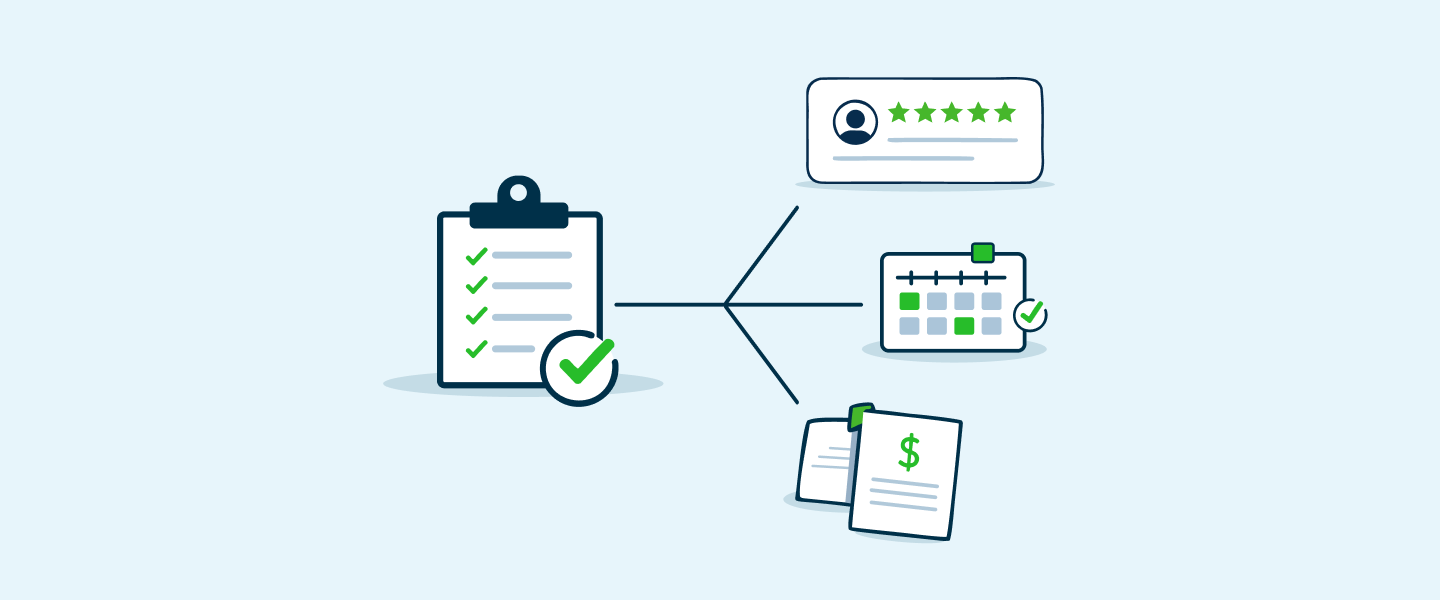
Members get regular service visits, which means more touchpoints with your technicians. More touchpoints mean more opportunities to identify repair needs, recommend system upgrades, and build the kind of relationship that makes homeowners loyal to your company for years. Each of those visits is also an opportunity to collect feedback and automate post-service follow-up that generates reviews and referrals.
Satisfied members leave better reviews and refer more often. This connects your membership program directly to your reputation and lead generation engine.
If you want to amplify this effect, consider building referral incentives directly into your membership tiers, giving members a credit or discount for every successful referral. The psychology behind incentive structures plays a meaningful role in how often customers actually follow through on referrals versus just thinking about them.
The flywheel works like this: memberships drive regular visits, visits drive satisfaction, satisfaction drives reviews and referrals, reviews and referrals drive new customers, and a percentage of those new customers become members. Each revolution compounds the last.
Start building your membership engine
Building a membership program that sticks is not a one-time project. It is an ongoing system that compounds in value the longer you run it and the more deliberately you optimize it.
Start with three clear tiers. Equip your technicians with sell sheets and a script they can make their own.
Set up automatic renewals so retention works in your favor by default. Measure your conversion rate, renewal rate, and member NPS every month. And iterate based on what the data tells you.
The HVAC companies that will lead their markets over the next several years will not just be the ones with the best advertising or the lowest prices. They will be the ones that turned one-time service calls into long-term customer relationships through programs that deliver real, measurable value on both sides of the agreement.
Ready to track technician performance, automate customer feedback, and grow the metrics that make membership programs work? Chat with our team about how Applause can help.



.webp)