
.svg)



Carrier, Trane, and Lennox all pushed through residential HVAC price increases of roughly 10% in 2025 tied to the A2L refrigerant transition. Layer on tariffs against imported compressors, copper, and electronics and the 30%+ spike in gas prices, and margins in spring 2026 are looking quite slim.
But there are ways to keep more of the money you make as an HVAC business owner. What you can do is stop bleeding money on the jobs you already own. Our Fleet Savings Playbook found that services fleets are leaving more than $100,000 per year on the table for every 50 trucks they run, and a huge share of that waste ties directly back to unnecessary truck rolls and preventable callbacks.
Callbacks and wasted truck rolls are the single biggest margin leak HVAC owners can fix this quarter. This guide walks through the dispatch, diagnostic, and performance-tracking systems top shops use to reduce callbacks HVAC wide, protect fleet economics, and hold profitability when supply chain costs refuse to cooperate. For a deeper look at the relationship between callbacks and per-tech profitability, see our guide on revenue per technician.
The real cost pressure HVAC owners are facing in 2026
Three forces are squeezing HVAC margins right now:
- The A2L refrigerant transition
- Tariffs on imported components, and
- Rising labor, insurance, and fuel costs
The A2L transition alone reshaped the supply side almost overnight. A2L equipment made up 91% of distributor sales by September 2025, a near-total market flip in twelve months. New SKUs, thinner dealer inventory, and longer lead times on R-454B systems were the predictable result. On top of that, 2025 tariffs on imported compressors, electronics, and copper tubing added another layer of cost that distributors have been passing straight through.
Insurance and fuel are tightening the other end of the P&L. On the insurance side, our partner Truce, found a single HVAC service van now costs $2,500 to $3,300 annually to insure before a single claim is filed, and commercial auto repair labor costs alone climbed nearly 5% in early 2025 with parts prices projected to rise another 15 to 25%.
On the fuel side, gas prices have hit over $5 per gallon in cities across several states, including Nevada, California, Washington, Massachusetts as a result of the conflict in Iran.
Passing 100% of these increases to customers is not realistic in most HVAC markets. The practical path is to absorb less of it by running a tighter operation.
Where HVAC cost pressure Is coming from

Why callbacks (or reservices) are the margin leak you can actually fix
A callback is any return visit to the same job within 30 days for the same or a related issue. It is different from a scheduled follow-up or a planned second visit.
The true cost of one callback is bigger than most owners realize. A loaded two-hour technician visit runs $80 to $180 in labor. Vehicle operating cost plus fuel adds another $30 to $80. The real killer is opportunity cost: that same tech could have been running a $300 to $500 revenue job instead.
Layered on top, every extra truck roll slightly increases your fleet crash exposure, and about 8% of light-duty fleet vehicles are involved in a crash each year at an average all-in cost of $20,000 per minor accident.
The math gets expensive quickly. A 50-truck HVAC shop running an 8% callback rate is burning roughly $80,000 to $165,000 per year in loaded labor and fuel alone, before any incremental accident or insurance impact.
Every callback you prevent is margin you keep.
Dispatch best practices that prevent wasted truck rolls
The callback is often set in motion before the tech ever leaves the yard.
Bad dispatching, incomplete intake data, or the wrong technician for the job increases the likelihood of a return visit. Tightening the front end of the job flow can help improve job efficacy.
There are four dispatch fundamentals worth getting right:
- Complete intake data on every call. CSRs should collect the equipment model and serial number, system age, symptoms with timing, and any recent work performed. That information routes the right tech with the right truck stock to the right job, and it cuts down on misdiagnoses before a truck is ever assigned.
- Skill-based routing. A2L systems require updated technician certifications and training. Sending an untrained tech to an A2L install is a callback waiting to happen. Commercial, heat pump, and ductless work all benefit from the same discipline.
- Parts verification before dispatch. If the tech is heading to a replacement or known-part job, the part needs to be in the truck. Second visits to grab a part are among the easiest callbacks to eliminate.
- Real-time geographic sequencing. Dispatchers using live GPS can sequence jobs intelligently instead of chronologically, which reduces windshield time and frees up capacity for additional revenue jobs in the day.
The same fleet visibility that prevents truck rolls also prevents accidents. According to our partner Linxup, over 55% of fleet operators report GPS tracking data alone reduces safety incidents, and 4 out of 5 say telematics helps them identify risky driving patterns. The visibility that tells you a tech is idling outside a job also tells you if they are heading to the wrong address or missing a stop.
The two-minute intake script that catches callbacks before they happen
Give every CSR this script and require it before a ticket is dispatched:
- "Can you grab the model and serial number off the outdoor unit for me? It's on the silver plate on the side."
- "Roughly how old is the system? And who installed it, if you remember?"
- "When did the issue start? Does it happen at certain times of day, or all the time?"
- "Has anyone worked on it in the last 90 days? What did they do?"
- "Are you under a maintenance plan or warranty with us or anyone else?"
Those five questions take under two minutes and route the right tech, with the right parts, to the right job. That is the single cheapest callback prevention tool in the shop.
Diagnostic discipline: Training techs to solve, not patch
The other half of the callback problem is what happens on site. Technicians under time pressure often treat symptoms instead of root causes. A capacitor replacement that masks a failing compressor will bring the customer back in three weeks. That is the classic HVAC callback pattern.
Four diagnostic habits correlate with low callback rates across the best-performing shops we see:
- Full system checks. The best techs check the entire system, not just the complained component. They catch the secondary failure that would have become next month's callback.
- Documented readings. Recording pressures, temperature splits, amp draws, and subcooling values on the invoice raises tech accountability and creates a paper trail if the customer does call back.
- Post-repair verification runs. A 15-minute test cycle with the customer present is the single highest-leverage habit for low callback rates. A tech who runs the system, confirms proper charge, and verifies temperature split catches 80%+ of the issues that would otherwise become callbacks.
- Customer education at the door. Walking the homeowner through what was done and what to watch for eliminates the "false callback" where the customer calls back about something unrelated, thinking it is the same issue.
Shops that build their diagnostic checklists against QI/QM tend to have callback rates well under 3%.
Diagnostic habits of low-callback technicians

How technician scorecards help cut callbacks
Most HVAC shops do not actually know their callback rate by technician. They know it in aggregate, if at all.
Aggregate callback data hides the two or three technicians driving the majority of the returns, and aggregate data is also difficult to coach against.
The fix is individual visibility.
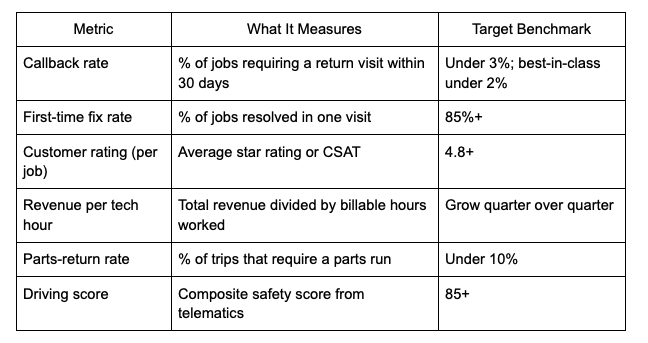
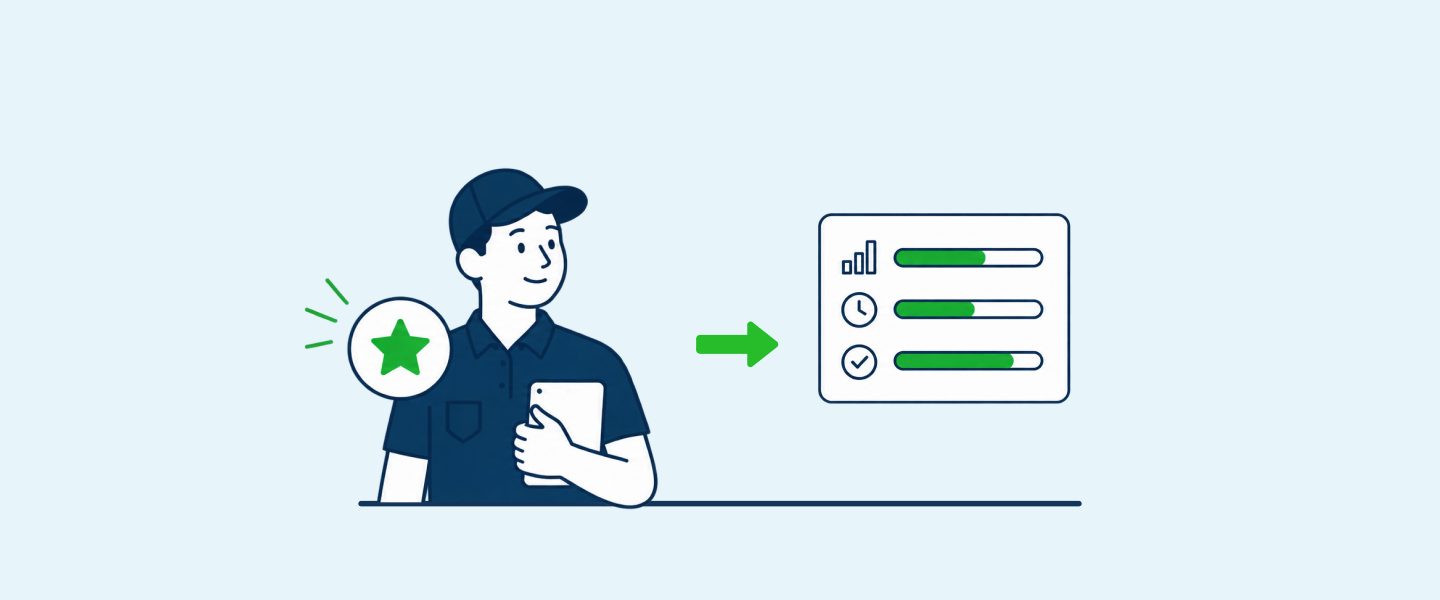
A scorecard that tracks callback rate, first-time fix rate, customer rating, revenue per tech hour, parts-return rate, and driving score gives every tech their own numbers and every manager a fair coaching tool.
The effect of making performance visible and tying it to compensation is bigger than most owners expect.
Anthem Pest Control implemented scorecards through Applause and reduced at-fault driving incidents by 70% over two years, along with a 10-point jump in average driving score within eight months.
Technician scorecard metrics that reduce callbacks
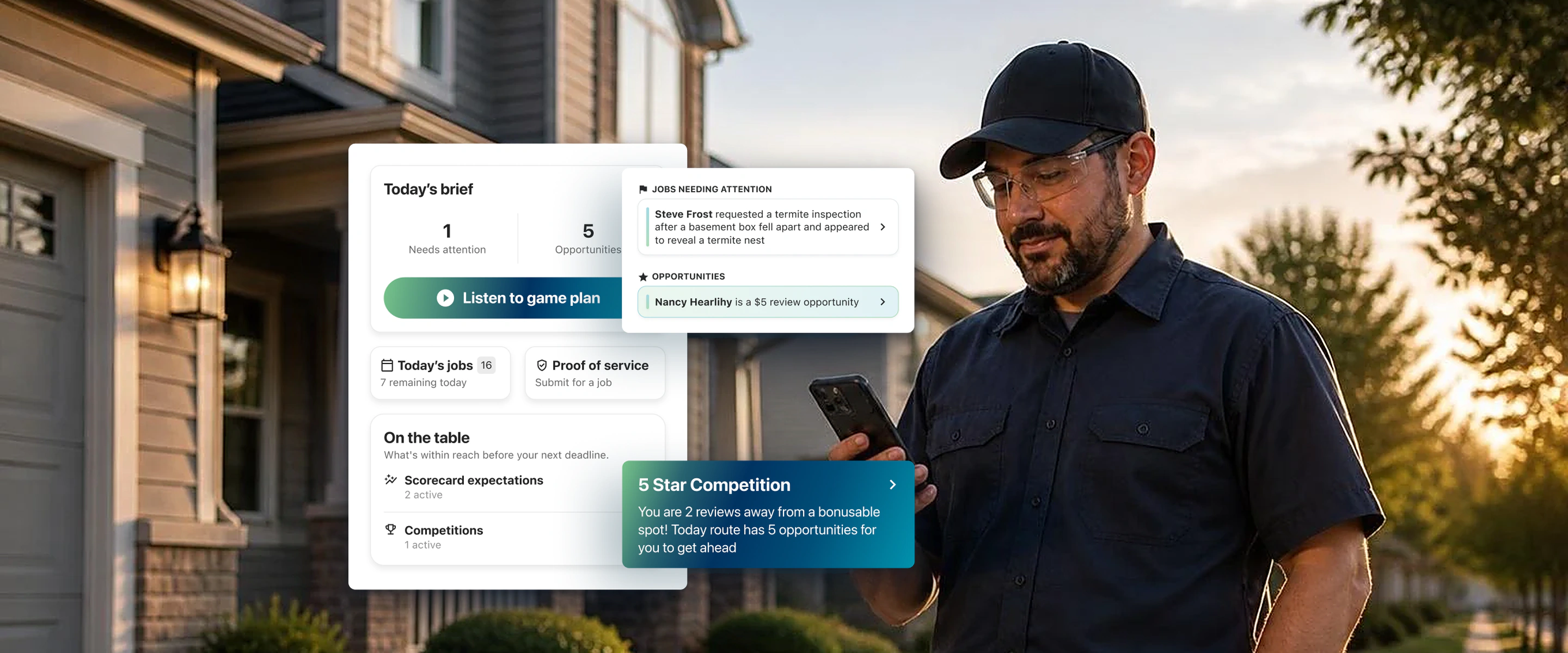
Applause Scorecards pull callback rate, customer ratings, revenue per tech, and driving scores from your existing software into one daily view.
Technicians see their own numbers every day. Managers see where coaching is needed and where to recognize wins. When individual accountability meets aligned incentives, callback rate moves in the same direction as fleet risk and margin.
For practical guidance on building that culture, see our companion posts on how to motivate technicians with real-time feedback and why incentive programs fail in home services.
Turning Callback Reduction Into a Full Margin Protection Program
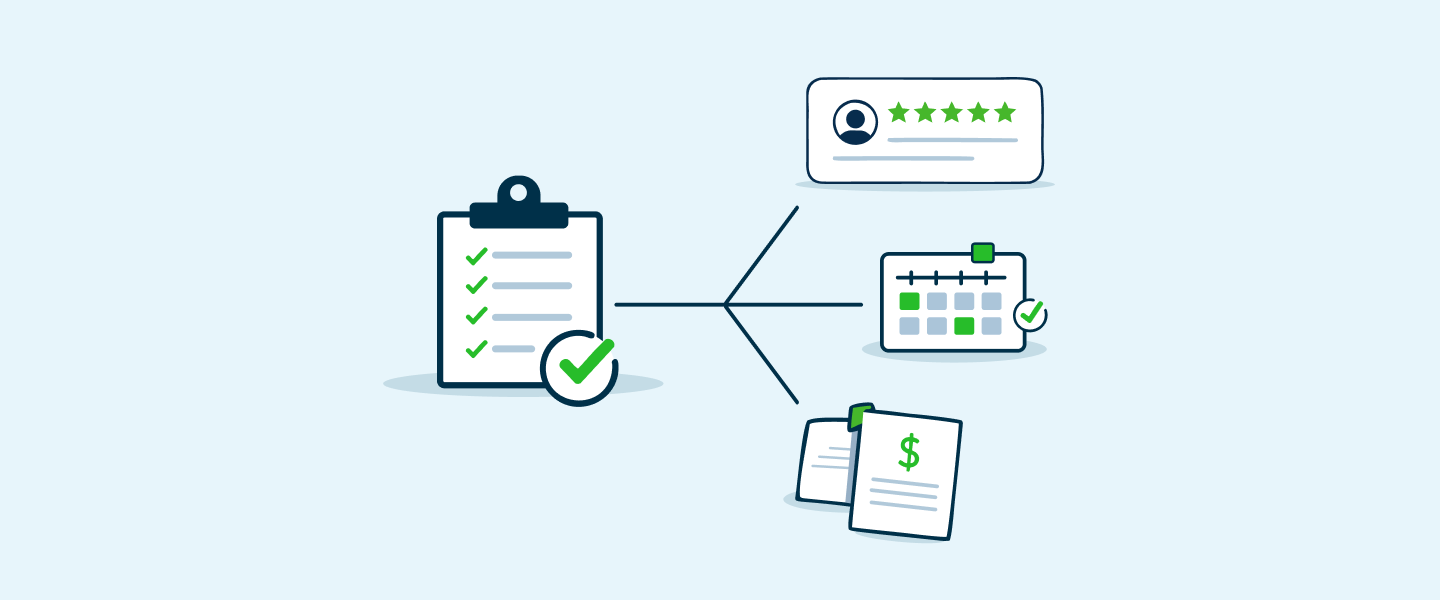
Pull these pieces together into a system owners can actually roll out. The four-step callback reduction playbook looks like this:
- Measure the baseline. Pull the last 12 months of job data and calculate callback rate by technician and by system type. Most HVAC owners have never seen this number broken down before. It is almost always uneven.
- Train the dispatch and diagnostic fundamentals. Intake scripts, skill-based routing, parts verification, post-repair verification runs, and customer education at the door.
- Build the scorecard. Callback rate, first-time fix, customer rating, revenue per hour, and driving score per technician. Visible to each tech daily.
- Tie scorecards to compensation. Bonus structures, leaderboards, or both. Make the behavior you want the behavior that pays.
The bottom line
Supply chain costs and equipment inflation are going to keep pressuring HVAC margins through 2026 and beyond. The shops holding profitability are the ones tightening the variables they actually control: dispatch, diagnostics, and individual technician accountability.
Callbacks and wasted truck rolls are the single biggest margin leak most HVAC owners can fix this quarter, and the tools to fix them are all available today.
Want to see callback rate, first-time fix rate, revenue per tech, and driving score on one scorecard that updates in real-time? Chat with our team about how Applause helps HVAC owners track the metrics that protect margin.
Frequently Asked Questions
What is a callback in HVAC?
A callback is any return visit to the same job within 30 days for the same or a related issue. It does not include scheduled follow-ups or planned second visits. Most HVAC shops run callback rates between 5% and 10%. Best-in-class shops hold under 2%.
How much does one HVAC callback actually cost?
A single callback typically costs an HVAC contractor between $260 and $660 all-in, factoring in technician labor, vehicle operating cost, fuel, and the opportunity cost of the revenue job that tech could have been running instead. That does not include the longer-term cost of damaged customer trust and lost referrals.
How can I reduce callbacks in my HVAC business?
The highest-leverage moves are structured intake data at the dispatch stage, skill-based technician routing, parts verification before dispatch, post-repair verification runs on site, and individual technician scorecards tied to compensation. Shops that put all five in place typically cut callback rates in half within two quarters.
Why are HVAC equipment prices rising in 2025 and 2026?
The A2L refrigerant transition has pushed manufacturer prices up roughly 10% across Carrier, Trane, and Lennox, with A2L equipment now accounting for 91% of distributor sales. Tariffs on imported compressors, electronics, and copper have added another layer of cost that distributors are passing through. R-454B refrigerant cylinder prices in particular climbed from $345 in 2021 to over $2,000 in 2025.
What KPIs should HVAC owners track to protect margins?
Callback rate, first-time fix rate, customer rating per job, revenue per technician hour, parts-return rate, and driving score. Individual visibility at the technician level is what turns these KPIs into behavior change.
.webp)