.svg)


Pesty Marketing is built exclusively for pest control, trusted by PCT Top 100 companies, with over 100,000 qualified leads generated for clients.
This report is based on 3,699 of those calls, analyzed across 19 companies from November 2025–February 2026.*
Your phones are ringing. But are the right calls turning into jobs?
Pesty Marketing analyzed 3,699 first-time calls from qualified pest control leads — real people who were ready to buy. Every call was scored by the companies' own teams and AI-analyzed for patterns.
What Pesty found changes how pest control companies should think about lead conversion.
Most operators assume price is the main barrier. The data tells a different story.
Finding 1: Urgency is the default — lead with it
67% percent of qualified leads are calling because they already have an active infestation. They're not researching options or planning ahead. They need help now.
That means almost every call your team takes is an urgent one. If your website says "contact us for a free estimate" and your phones go to voicemail after 5 p.m., you're losing the majority of your potential customers before the conversation even starts.
What to do: Make sure your website, ads, and phone greeting all communicate same-day or next-day availability. If you offer it, say it loudly and early. Urgency-first messaging outperforms everything else in this space.
Finding 2: Speed and scope beat price — every time
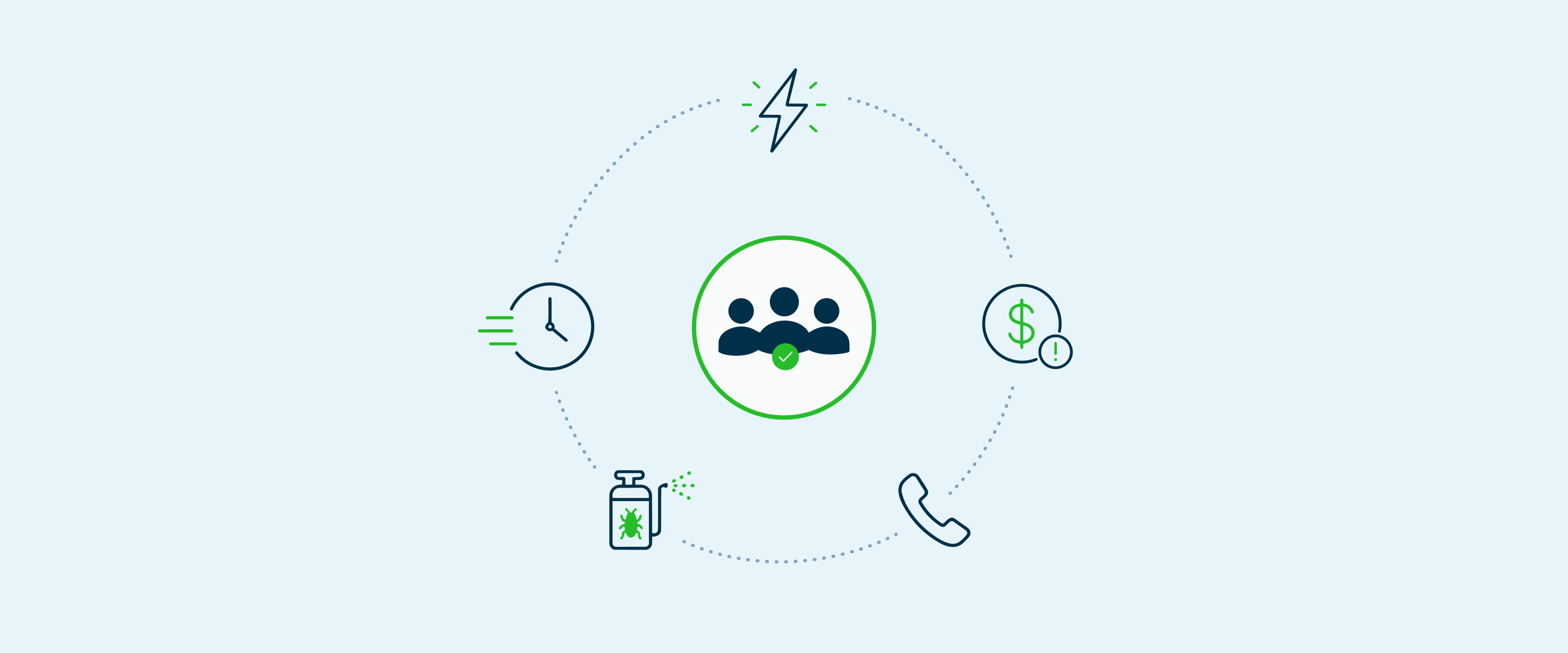
When qualified leads decide which company to call (or call back), here's what they prioritize:
- Speed and availability — "Can you come soon?"
- Scope and coverage — "Do you handle this pest?"
- Price and value — only after the first two are answered
Reviews barely come up on the actual call. By the time someone dials your number, they've already looked at your reviews and decided you're credible. The call is where they're checking availability and fit — not reassessing your reputation.
What to do: Answer the phone. Train your team to lead with "yes, we handle that" and "we can be there tomorrow." The companies winning on conversion aren't winning on reviews — they're winning on responsiveness.
Finding 3: Know which pest types are driving volume
Rodents and termites together account for 38% of all qualified calls. Wildlife removal (raccoons, squirrels, bats) drives 16% of calls — more than roaches or ants in our dataset.
Most pest control operators underestimate wildlife as a call driver. If you handle it, you should be promoting it.
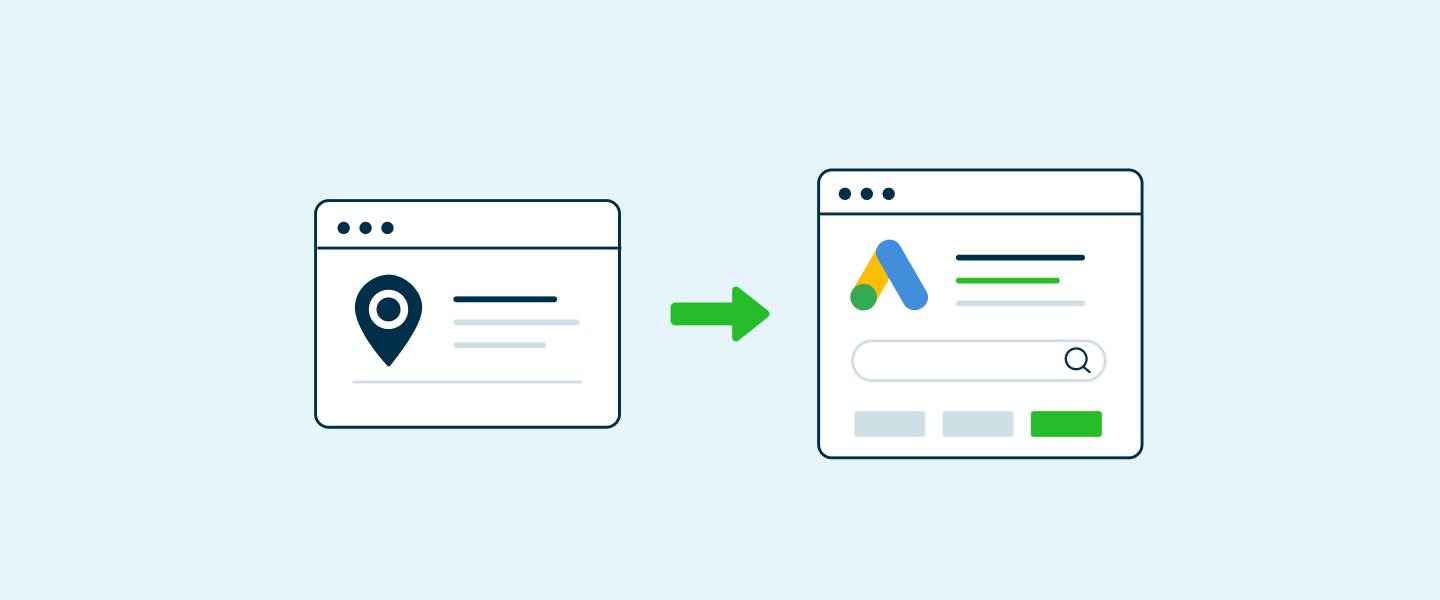
What to do: Check that your Google Business Profile, website, and ads clearly list every pest type you handle. A lead who calls asking about mice and gets told "we don't do that" doesn't become a customer — even if you do every other pest on their property.
Finding 4: Price is the top hesitation, but it's not the only one
26% of qualified leads mention price during the call. That's significant. But 17% are actively comparing you to another company at that exact moment, and 16% bring up scheduling as a concern.
That means nearly one in five callers is evaluating you against a competitor right now, while they're on the phone with you. How your team handles the first 60 seconds of a call matters more than your pricing.
What to do: Be upfront about pricing ranges — surprises destroy trust. And offer specific availability immediately. "We can be there Wednesday morning or Thursday afternoon" wins over "we'll have someone call you back."
Finding 5: Most callers are ready to book on the first call
29% percent of qualified leads are making the decision on their own, without consulting a spouse or getting other quotes. Another 13% just need to check with a spouse. That's more than half of your callers who can book on the first conversation — if you make it easy.
Most companies over-complicate it. They explain services in detail, push upsells, and create friction when the caller just wants to confirm you can come out.
What to do: Train your team to get a job on the calendar before the call ends. A distressed homeowner (50% of callers) needs reassurance and a date — not a featured walkthrough. The callers switching from another provider (9% of calls) are already sold on pest control; they just need a reason to pick you.
The bottom line for pest control operators
The companies that win more calls aren't necessarily doing better marketing — they're doing better with the leads that already exist.
Answer the phone fast. Confirm you handle the pest. Give a specific availability window. Be transparent on price. Those four things alone will convert more of your current call volume into booked jobs.
Tools like AI call analysis and conversation tracking help identify exactly where calls are falling apart — which team members are handling objections well, which ones aren't, and which call patterns lead to bookings versus hang-ups. The companies closing these gaps are going to take market share from the ones still winging it.
Every qualified lead that doesn't convert is revenue you already spent money to generate. The data shows you exactly where to fix the leak.
Find Out What's Costing You Jobs in Your Market.
If you're running PPC or SEO and don't have a system to track whether those leads are actually qualified, you're spending money without knowing what's working. Every unbooked call is budget you already burned.
We'll show you exactly what's happening in your market, free.

.webp)