.svg)




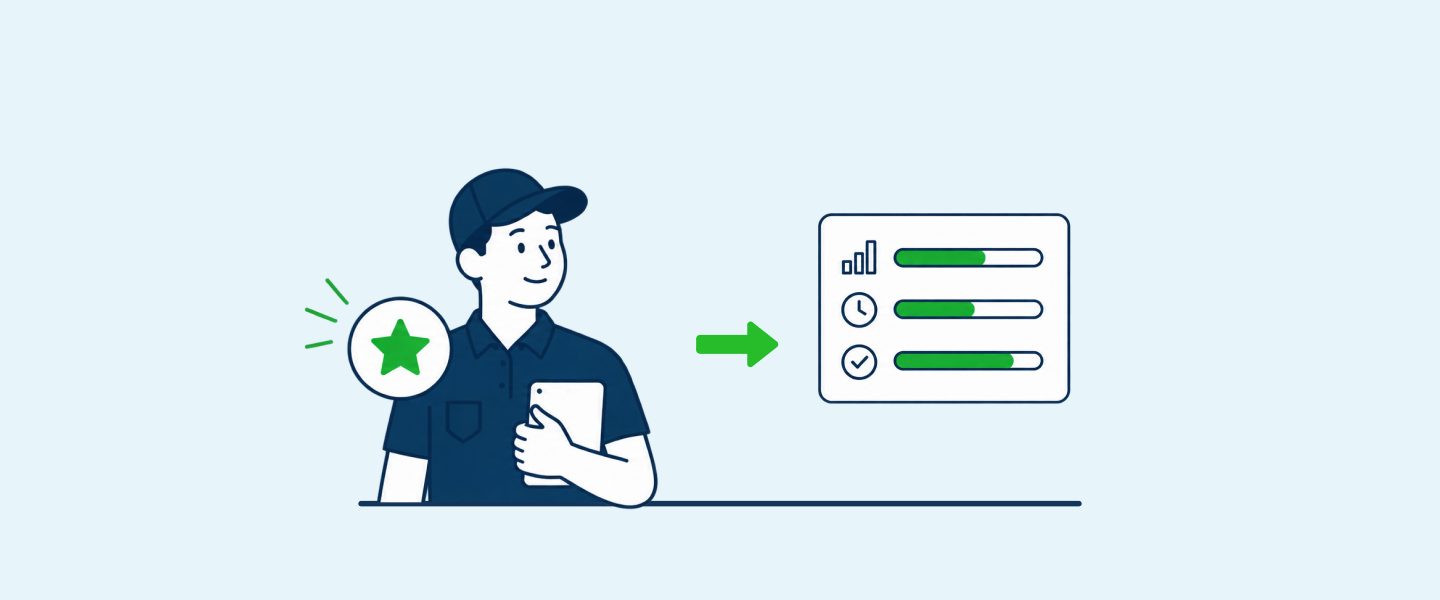
Every home service business is competing for market share via the same three areas: more five star reviews, stronger customer retention, and a steady stream of referrals.
Last year, we put a name to the method the best operators are using to get there: Service-Led Growth (SLG) — a strategy where your technicians provide exceptional services, then turn those experiences into new leads, referrals, and lower churn. Though not all companies that have tried to adopt this model have seen overwhelming success.
The most common thing we see business owners miss when adopting a service-led strategy: Technicians are your product, and as a result, technician performance is company performance.
They may not be your customers’ first interaction with your business, but they are the ones invited into their homes, doing the work, and having the most personal interactions with customers. Consequently, they have the most control over sales growth and customer retention.
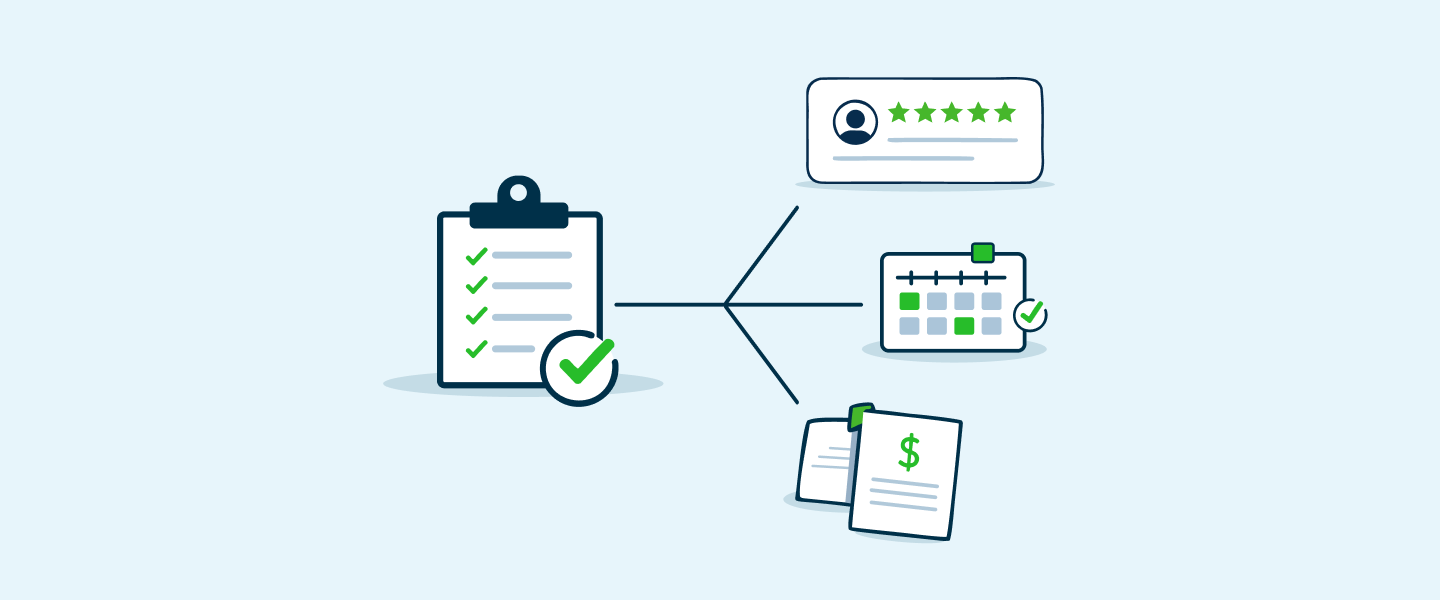
Their quality of work and communication determines whether customers:
- Leave you with a great review.
- Call you if they need your help again.
- Are willing to recommend you to their friends and neighbors.
In this article, we’re going to uncover the secrets that we’ve seen strengthen service-led businesses and dig into the levers technicians can control to positively impact customer retention and revenue growth.
Revenue Growth and Customer Retention Strategies Technicians Have the Most Leverage Over
5-Star Reviews
Getting quality Google reviews frequently is critical, not only because Google will see you as a great service provider and prioritize your business in your local Map Pack, but also because 93% of people read Google reviews before ever contracting and trying a service. The most effective way to get those review numbers up is to incentivize your technicians to ask for them. 72% of customers will leave a review after a positive experience if asked.
The businesses that consistently outrank competitors in review volume are building and running a review system; they are:
- Providing technicians the tools to send review links immediately–either as a follow-up text message of QR code.
- Training technicians on how and when to ask for a review. Many technicians who haven’t been coached don’t because they’ve just haven’t been shown how to ask naturally.
- Building a service-led culture that puts their customer at the center of everything they do by incentivizing technicians to always do right by them and exceed their expectations.
Simply put: When your technicians own the review ask, your review volume will follow. For more tips on how to increase your review volume, read our article on how to get more Google reviews for your home services business.
Customer Retention Strategies
As you may know, the home services industry is highly competitive. Approximately 217k new home service businesses open up annually, so customers have a lot of choice on who to contract.
One poor experience can be costly and could ensure that a particular customer may never reach out again, provide a poor review, and convince others not to consider your business. In fact, 80% of customers will never call again after just one poor interaction, which is a huge problem because it’s 7x more costly to acquire a new customer than to keep an existing one.
When it comes to improving customer retention, we find that most cancellations aren’t a result of price increases–missed visits, late arrivals, and poor work quality rank as higher reasons before price.
Your technicians must provide high quality service to cultivate consistent customer loyalty and improve upsells and referrals.
Here’s what works:
- Tie financial incentives to customer satisfaction metrics: NPS scores, review volume, and/or reservice rates.
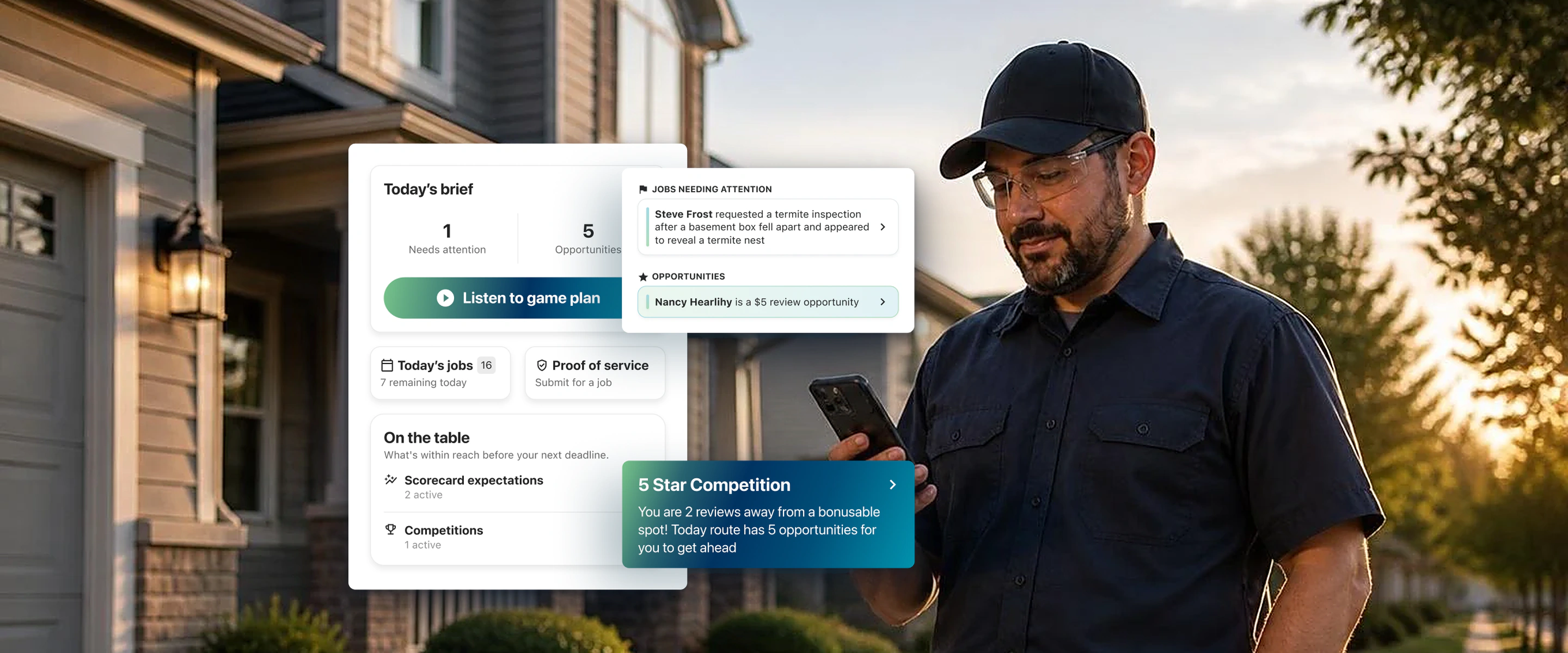
- Use real-time recognition. Digital tips and instant bonuses delivered the same day as the positive behavior is shown is incredibly effective.
- Celebrate your technicians' victories. According to our 2026 Home Services Benchmark Report, 38.9% of technicians stated that customer satisfaction was their primary source of motivation with pay and bonuses following that at 27.6%. Technicians want to have a personal impact on your customers' lives. Positivity is contagious; by highlighting victories and celebrating the customer impact, you can begin to create a culture where your technicians take pride in craftsmanship and professionalism.
Referral Programs and Marketing
Referrals are one of the most powerful ways technicians can affect the bottom line. 83% of customers are willing to refer a business when they have a positive experience and referred customers convert roughly at 4x the rate of cold leads.
To increase referrals, we must first understand why customers often don’t provide them. The reason many don’t is because either technicians don’t ask for them or customers don’t know a proper referral program actually exists. Without a structured program, referrals slip through the cracks.
Here’s some best practices to consider when building a new or evaluating your current referral program:
- Time the referral ask at the moment of peak satisfaction. The best moment is when a customer is thrilled with the outcome they’ve received: right after the AC is finally blowing cold air again, the toilet is flushing, or their bushes out front are looking pristine. For that reason, your technician is your single best asker because they're standing in the home at that exact peak satisfaction moment.
- Reward both your technicians and referring customers. Double-sided reward structures consistently outperform because they give both the technicians (the asker) and the customer (the advocate) a reason to share and convince their friends or family to act.
- Have a platform in place that empowers you to easily attribute and track every referral across customers and technicians. Whiteboards and spreadsheets fall apart when volume increases. By switching from manual tracking to using Applause Engage’s automated referral links, our friends over at Crosstown achieved a 70% conversion rate across all referrals.
For more best practices, consider reading our referral program playbook.
Up Next: How to Translate Field Service Management Metrics into Technician Performance
Now that we’re aligned on where technicians have the most influence on the bottom line, it's critical to tie those objectives to daily actions. The problem we see time and time again in home services is that driving service-led growth is easier said than done when technicians:
- Only receive feedback at monthly or quarterly performance evaluations — long after they could have made a meaningful improvement.
- Are measured against overarching business objectives that don't clarify what they should do differently today.
- Don't have real-time visibility into the performance metrics that have the largest influence on the bottom line.
In our next article, we'll show you how to close that gap, starting with how to create KPI transparency through establishing real-time scorecards and how you begin to use them to encourage technicians to proactively address challenges when they matter most to customers.
In the meantime, we would love to hear from you. Book a demo today to learn Applause can help you turn every technician into a top performer.
.webp)